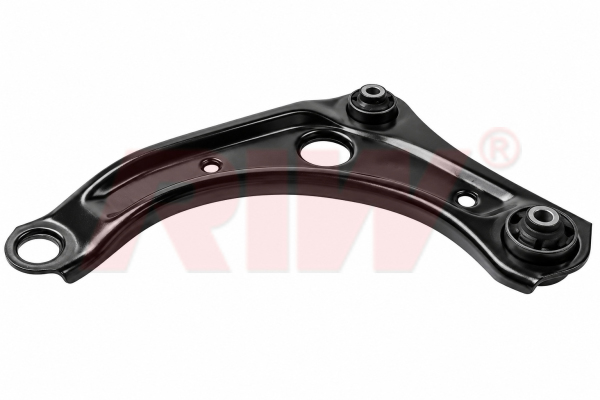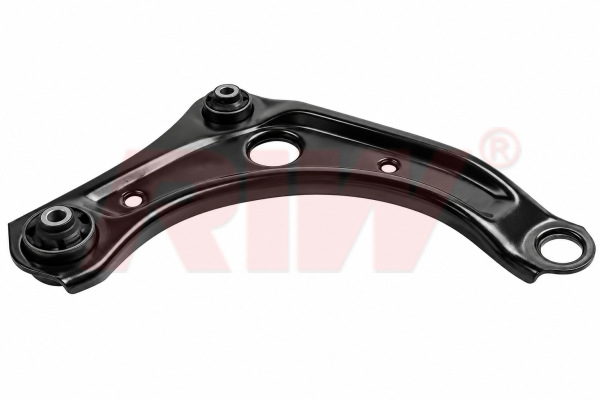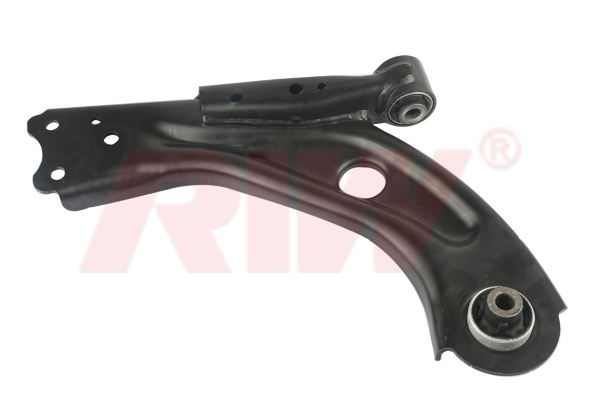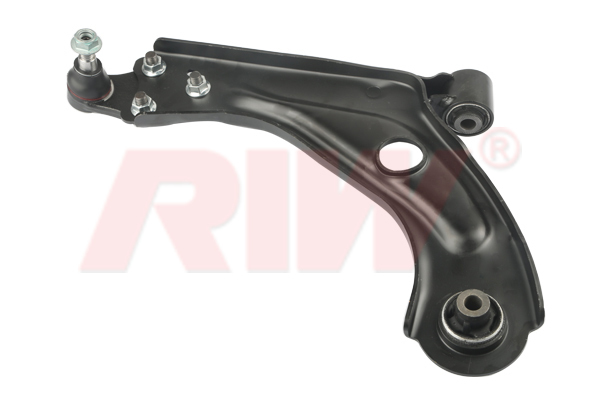




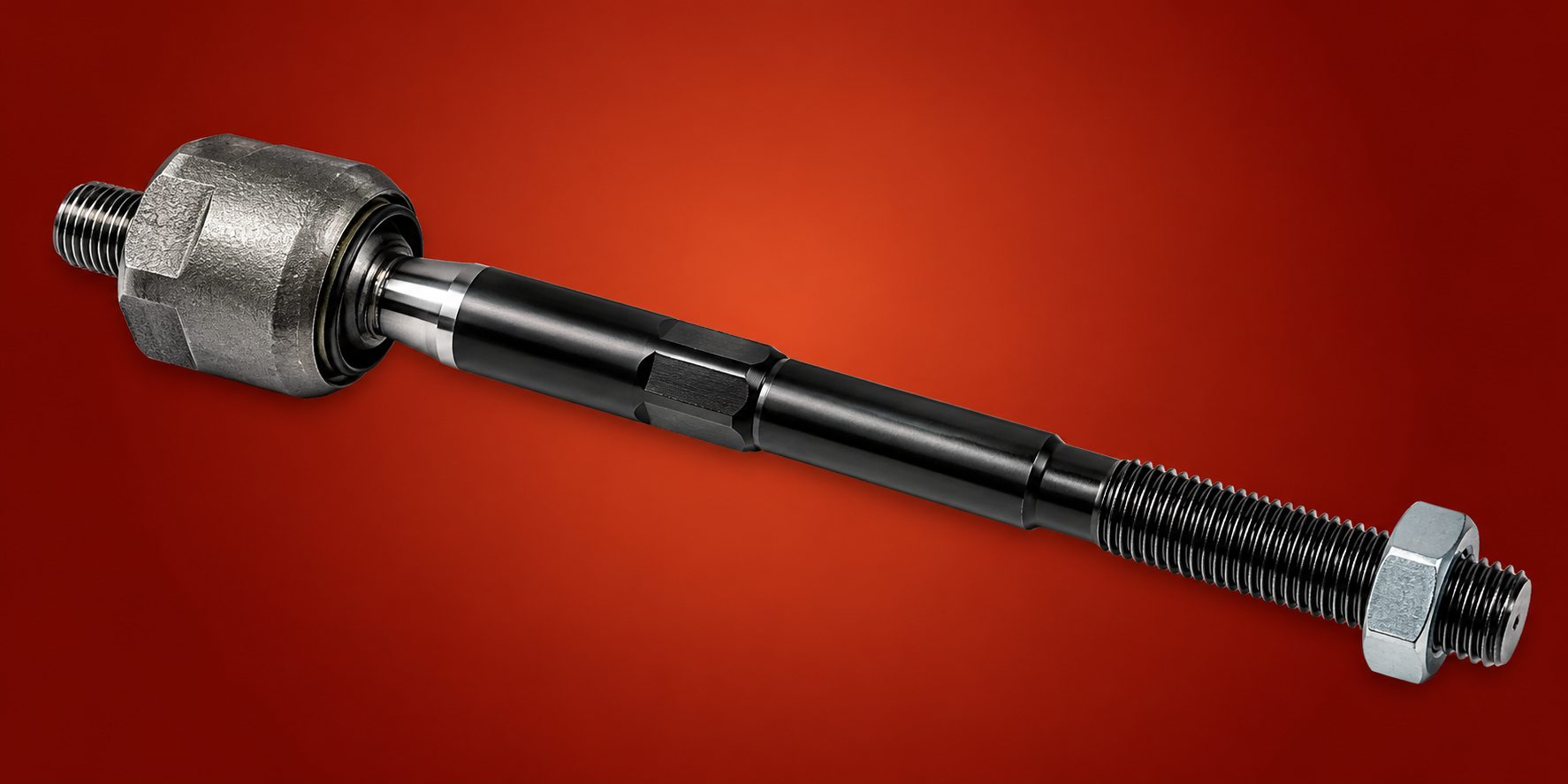
What is an Axial Joint?
A steering rack rod (Axial joint), also known simply as a steering rack, is a component in a vehicle's power steering system. It is a linear device that converts rotational motion from the steering wheel into linear motion, which is used to steer the wheels of the vehicle. The steering rack rod (Axial Joint) consists of a series of gears that work in conjunction with the tie rod ends to transmit the turning force from the steering wheel to the wheels. The steering rack rod (Axial Joint) is an essential component of the power steering system and helps to make steering easier and more precise.
When should an Axial Joint be replaced?
The Steering Rack Rod (Axial Joint) may need to be replaced for several reasons, including:
- Wear and tear: Over time, the Steering Rack Rod (Axial Joint) can wear out and become loose or damaged, which can result in reduced steering performance.
- Leaks: If the seals on the Steering Rack Rod (Axial Joint) break or become damaged, fluid may leak out, leading to loss of power steering and potential damage to other components in the system.
- Clunking or knocking noises: If you hear clunking or knocking noises while turning the steering wheel, it could be a sign that the Steering Rack Rod (Axial Joint) is worn or damaged and needs to be replaced.
- Steering play or looseness: If you feel play or looseness in the steering wheel, it could be a sign of worn or damaged steering components, including the Steering Rack Rod (Axial Joint).
It is important to have a qualified mechanic inspect your vehicle if you notice any of these symptoms to determine if the Steering Rack Rod (Axial Joint) needs to be replaced. Driving with a damaged or worn Steering Rack Rod (Axial Joint) can lead to decreased handling and control, and could pose a safety risk.
How to install an Axial Joint
Assembling a Steering Rack Rod (Axial Joint) involves several steps and should be performed by a qualified mechanic or someone with experience in automotive repair. The following is a general guide for assembling a Steering Rack Rod (Axial Joint):
- Clean and inspect components: Clean all components and inspect for any damage or wear. Replace any damaged parts before assembly.
- Prepare the components: Lubricate all moving parts with recommended power steering fluid or grease.
- Mount the tie rod ends: Install the tie rod ends onto the Steering Rack Rod (Axial Joint). Make sure they are tightened to the proper specifications.
- Mount the rack boots: Install the rack boots onto the tie rod ends. These boots protect the inner components from dust, debris, and moisture.
- Install the Steering Rack Rod (Axial Joint): Mount the Steering Rack Rod (Axial Joint) onto the suspension and steering components, following the manufacturer's instructions.
- Connect the hoses: Connect the power steering hoses to the Steering Rack Rod (Axial Joint). Make sure they are tight and secure.
- Fill with fluid: Fill the power steering system with the recommended fluid.
- Test and adjust: Test the steering system to ensure that it is functioning properly and make any necessary adjustments.
It is important to follow the manufacturer's instructions and use the correct tools and equipment when assembling a Steering Rack Rod (Axial Joint). Improper assembly can lead to decreased performance, reduced handling and control, and could pose a safety risk. It is recommended to consult the vehicle manufacturer's manual or a professional mechanic for specific instructions.
Explore the RIW range
Find this product in our online catalogue.